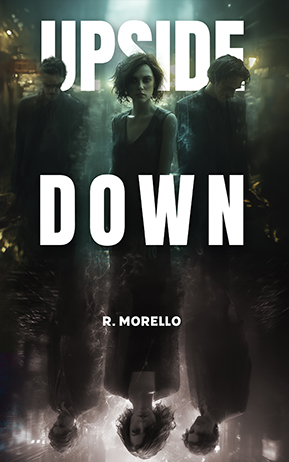
How Upside Down Builds Depth Without Overexplaining Many speculative stories rely on detailed explanations to establish their worlds. Upside Down takes the opposite approach and that restraint is where its…
Upside Down and the Speculative Fiction of Healing Why R. Morello’s novella is one of the most quietly radical acts of hope in contemporary speculative fiction Speculative fiction is extraordinarily…
Kazuo Ishiguro’s Never Let Me Go is known for its restrained storytelling and its ability to reveal profound emotional truths through subtle, almost understated narrative choices. Upside Down operates in…
At a glance, Upside Down may seem like a conceptual or speculative work. But what makes it resonate is how deeply human it feels. The characters behave like real people….
Sebastian and the Speculative Fiction of Unhealed Cruelty How Upside Down’s most chilling creation reframes what it means to be the villain of your own inner world Speculative fiction’s most…
In Upside Down, the speculative world is a direct extension of human experience. The inverted dimension is shaped by emotional states. Communication is fragmented. Movement is limited. Time feels uncertain….
How R. Morello Created a Psychological Sci-Fi World That Actually Makes Sense One of the most common failures of psychological sci-fi is internal inconsistency. A world that bends its own…
How Upside Down Uses Compression as a Psychological Tool In a novella about the gap between what is felt and what is said, the author’s restraint is the argument itself….
Why Upside Down Hits Harder Than Most Novels There’s a misconception that shorter works sacrifice depth for brevity. Upside Down quietly dismantles that idea. Despite its novella length, it carries…
What Upside Down Gets Right About the Inner Architecture of Trauma Science fiction has always been at its most powerful when it externalizes internal experience, when it gives form to…